
Zelaki Newsletter | January 2026, Edition
New Year, New Foundations
As we settle into 2026, the energy at Zelaki Studio is one of quiet determination. If October was about reimagining our identity, January has been about grounding it. We have spent the first weeks of the year returning to the core meaning of our name, “Zelaki”, the Amharic word for "lasting" or "enduring."
In a world that often prizes the temporary, we are doubling down on design that stands the test of time. This month, we have been refining our upcoming collection, stripping away the excess to focus on materials and forms that promise longevity. We are also thrilled to see so many voices across the continent echoing this sentiment, starting the year with a unified call for sustainability and resilience.
Here are the stories defining the African creative landscape this January.
News from Africa And Beyond
Abidjan’s "Tour F" Reshapes the Skyline
In the heart of the Plateau district in Abidjan, the ambitious "Tour F" has entered its final completion stages, effectively claiming its title on the African skyline. Designed by the architect Pierre Fakhoury, the structure is currently finalizing its glass façade, standing as a testament to the Ivory Coast's rapid urban growth.
What makes Tour F distinct is not just its status as a supertall structure, but its form. The tower is designed to resemble a stylized African mask, paying homage to the region's cultural geometry while utilizing glass and steel on a massive scale. As the administrative city consolidates around it this January, the building stands as a monument to how traditional aesthetics can inform hyper-modern urban planning.
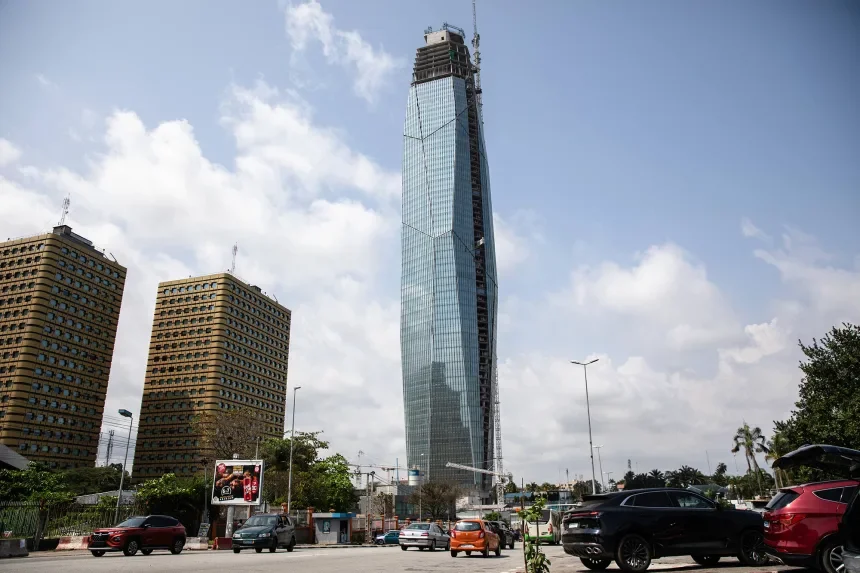
(Sophie Garcia/Sipa USA)
MOWAA’s First Full Quarter: A Living Hub in Benin City
Following its phased opening in late 2025, the Museum of West African Art (MOWAA) in Benin City, Nigeria, has hit its stride. January marked the institution's first full quarter of active programming, proving it is far more than a repository for returned artifacts.
The campus is currently buzzing with the "Nigeria Imaginary: Homecoming" exhibition, which returned from the Venice Biennale to its permanent home. MOWAA is rapidly establishing itself as a center for research and conservation, shifting the center of gravity for African art history back to the continent itself. The museum's "City Connections" initiative is also in full swing, linking the new campus with historic artisan guilds in the city.
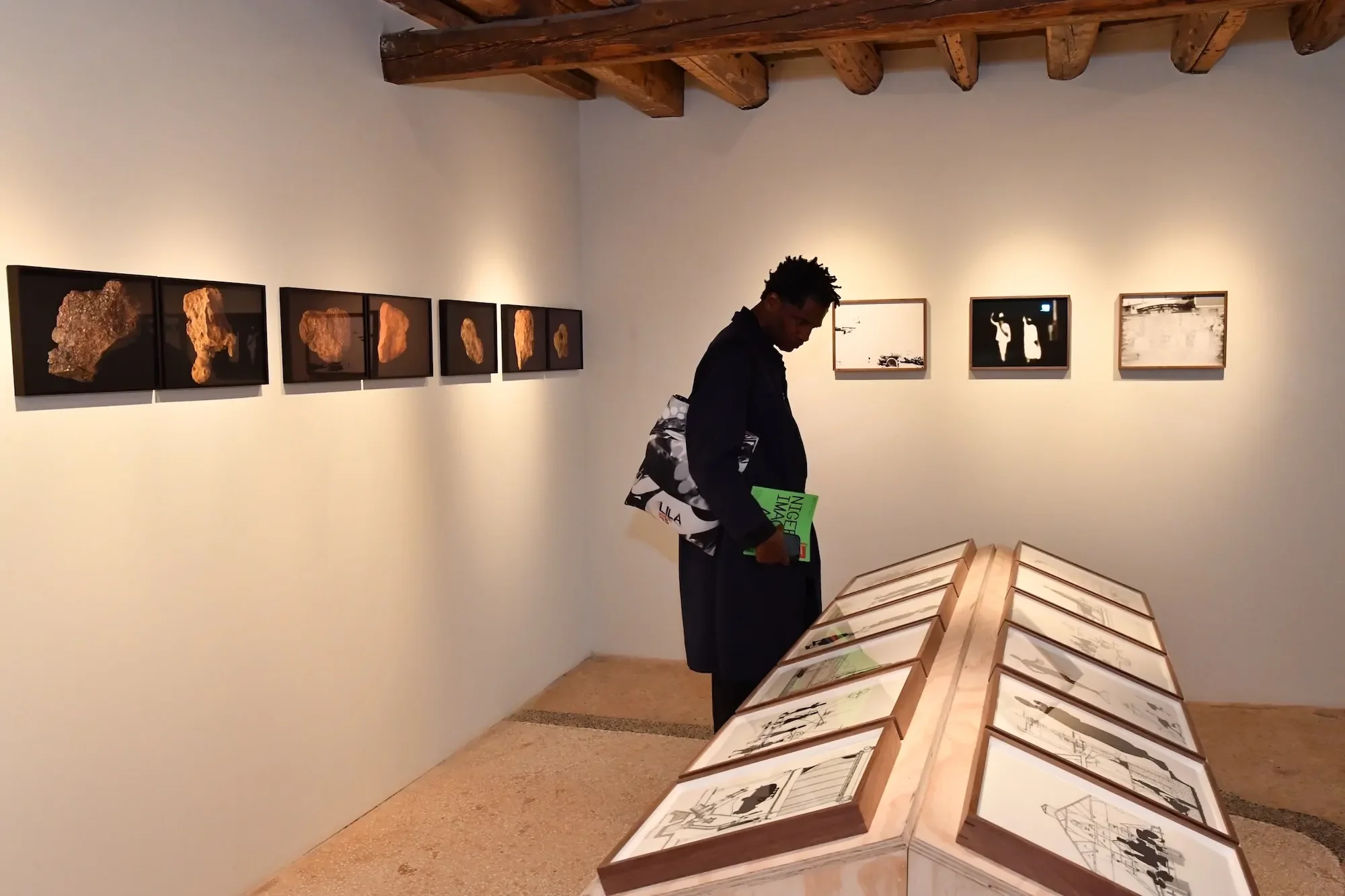
(Image credit: MOWAA)
International Festival of African Documentary (FIDAB)
From January 16-18, Bamako became the capital of non-fiction cinema as it hosted the first-ever International Festival of African Documentary (FIDAB). The event, held at the Palais de la Culture Amadou Hampâté Bâ, marked a major step toward professionalizing the documentary sector in West Africa.
Screening 12 films including I Boyoro and Loin de moi la colère, the festival went beyond simple exhibition. It prioritized structure and growth, offering writing residencies and workshops to address the critical gap in funding for African documentarians. As UNESCO estimates the continent's film potential at $20 billion, FIDAB represents a vital move to ensure African stories are not just told, but owned and sustained by local creators.
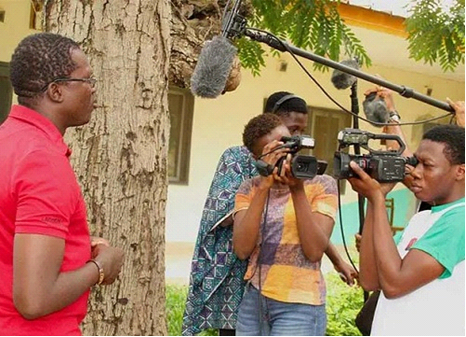
(Photo credit: Ecofin Agency)
Tradition Meets Tech: "Africa’s Fashion Heritage" at FIT
Looking ahead to early next week, the Fashion Institute of Technology (FIT) in New York is preparing to unveil a groundbreaking digital exhibition titled Africa’s Fashion Heritage: Eight African Countries. The showcase, opening February 2, blends the old world with the new in a way we have rarely seen.
The exhibition uses 3D modeling and digital rendering to reconstruct and display traditional garments from eight different African nations alongside contemporary reinterpretations. By digitizing these fragile textiles, the project ensures their patterns and weaving techniques are preserved for future generations, allowing global audiences to examine the intricacies of African craftsmanship without risking damage to the original artifacts.
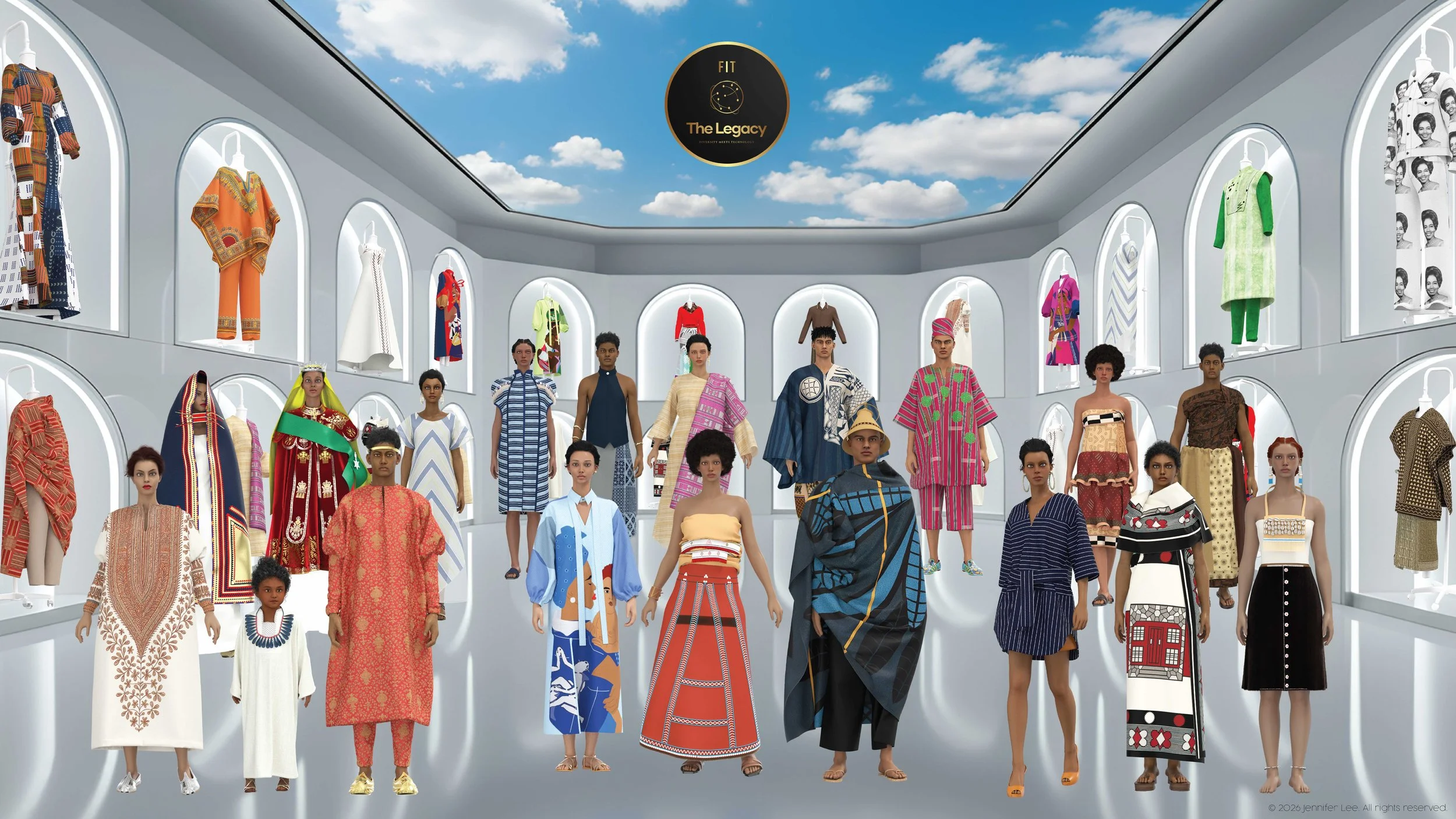
(Image credit: FIT News)
Tradition Meets Tech: "Africa’s Fashion Heritage" at FIT
This Valentine’s Day, we are turning everyday coffee into a love language. Our latest release features mugs adorned with romantic Amharic nicknames thoughtful, personal, and deeply rooted in culture.
Whether it is for a partner, a friend, or family, these pieces are designed to be a daily reminder of affection. Looking for a specific phrase? We are accepting requests for custom nicknames for a limited time, simply send us a message or reply to this email to make it just for you.
Gift your favorite person a cup full of affection this Valentine’s Day.
